
Waffle the Dog's Ball and the Puzzle of Bringing Children to Table Tennis
Table Tennis England đưa nghệ sĩ bóng bàn Leon Thomson và cậu bé Nathan Bloom 10 tuổi lên chương trình Waffle the Wonder Dog của CBeebies để khuyến khích trẻ 4-7 tuổi chơi bóng bàn; thông cáo không có dữ liệu thi đấu hay xếp hạng. Key facts: - Leon Thomson biểu diễn bịt mắt cùng Nathan Bloom 10 tuổi và dùng bóng của chó làm đạo cụ. - Nathan sinh hoạt tại Barnet Table Tennis Centre, chơi cho Urban TTC ở giải Cadet BCL. - Tập phim phát lúc 17:20, phát lại lúc 14:40 Chủ nhật 27/9, năm không được nêu. - Mục tiêu của liên đoàn là thu hút thêm trẻ em chơi bóng bàn. - Chương trình thuộc thể loại giải trí, không nằm trong hệ thống thi đấu ITTF/WTT. Nguồn: Table Tennis England, ngày đăng không nêu trong tài liệu. Related Q&A: - Nathan Bloom có thứ hạng quốc tế không? Không có dữ liệu xếp hạng nào được công bố; cậu bé đang ở giai đoạn tập luyện câu lạc bộ. - Màn bịt mắt đánh bóng có phải kỹ năng thi đấu? Không, đây là trình diễn giải trí để thu hút trẻ nhỏ. - Chương trình có thuộc giải chính thức? Không, đây là truyền hình thiếu nhi, không thuộc lịch WTT/ITTF.
Leon Thomson stepped onto the CBeebies set in a dark top, his eyes covered by a black cloth. Nathan Bloom, a ten-year-old boy, sat across the table and put an orange plastic ball down. There was no whistle, no umpire. There was only a dog called Waffle barking from a speaker and a camera running quietly. The blindfolded man swung his racket, sent the ball over the net, and the boy returned it with a smile. For English table tennis, this moment could be worth more than a final.
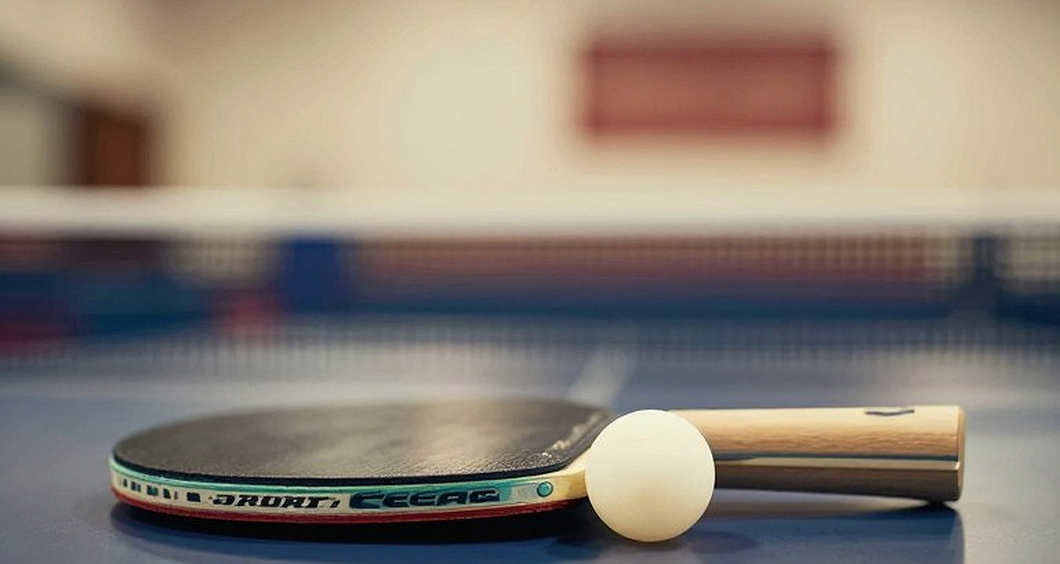
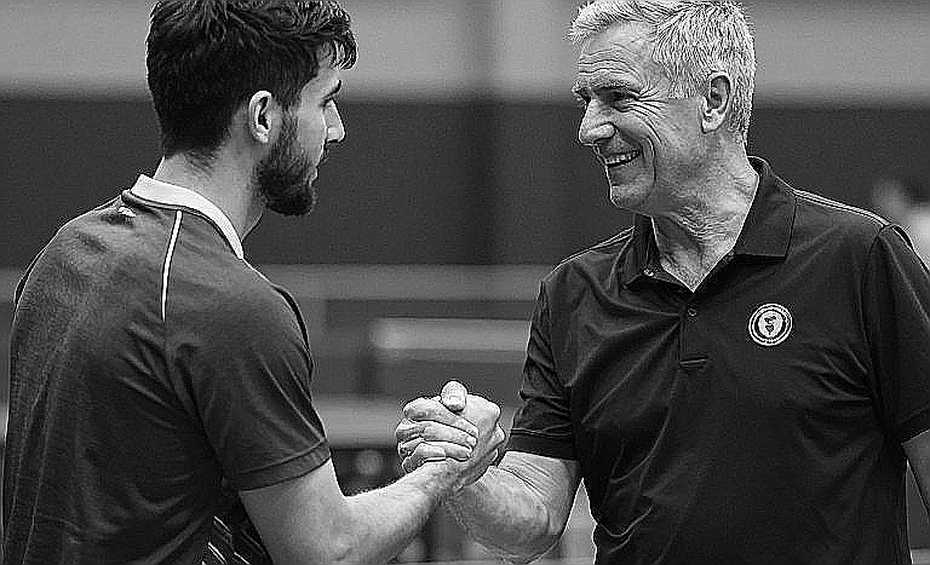
The footage belongs to an episode of Waffle the Wonder Dog, a children's programme broadcast on BBC's CBeebies, with the dog character voiced by Rufus Hound. Table Tennis England brought Leon Thomson and Nathan Bloom to the filming session. The episode aired at 5.20pm and was repeated at 2.40pm on Sunday 27 September. Nathan is based at Barnet Table Tennis Centre, plays for Urban TTC in the Cadet BCL, and receives regular one-to-one coaching from Leon Thomson. Leon is both a coach and a table tennis entertainer who does magic tricks with rackets and balls. During the episode, the pair played with a dog ball because Waffle is a dog, and that was how the producers connected the character with the sport.
For a sports journalist, this kind of story is usually filed under entertainment. There is no ranking. There are no head-to-head numbers. There is no point for slow-motion analysis. But precisely because the story has no statistics, I want to stop and look closer. The stumble in 2026 taught me that audiences need real people, not perfect people. Nathan Bloom is a real person: ten years old, in one-to-one training, playing for a small club, and trying to return a ball from his coach while Waffle the dog barks. He does not need a victory on television. He needs a first beautiful memory with a racket.
The torn shoes at the World Cup in Russia went further than any ball I ever commented on. In 2026, outside the Luzhniki fan zone, I met a seventy-year-old man who had walked from Hanoi through Yunnan and then to Russia. He carried worn-out shoes and a red flag with a yellow star. My article told the story of his instant noodles, not a match score, and it became the most shared piece in our newsroom that year. That experience reminded me that the power of sport is not contained in the ball. It lives in details that seem unnecessary: trembling hands, a shy smile, even a colourful dog ball.
I have no slow-motion footage of this CBeebies session. But old footage runs slowly, while memory always runs faster. When I worked for the Nha Trang radio station, I often heard the ball hit the table without seeing it. Now I understand that a child's laugh while watching a ball roll is also a kind of sports signal. That signal cannot be measured in points, but it decides whether the child comes back a second time.
In 2026, I hosted a football livestream from Nha Trang. In the first half alone, I stuttered three times, called player Vu Minh Tuan by the wrong name, and dropped the microphone on camera. That night I recorded the whole broadcast, found 120 unnatural lines, and learned how to edit video on my phone over three weeks. The lesson was simple: audiences need real people, not flawless people. That stumble was worth more than every tactical article I had written. It made me sit down, listen, and write only when I was sure.
A word about the junior system. In English, the term Cadet refers to the under-15 age band. The Cadet BCL most likely means a cadet-level British clubs league, for young players who have not yet reached national selection level. Nathan Bloom is at the base of the pyramid. He does not need a world ranking yet. What matters is that he has a club, a private coach, and a weekend competition to look forward to. That is the minimum framework of any strong table tennis nation.
That framework is often forgotten when people talk about youth development. People like to mention child prodigies, huge contracts, and academies full of future stars. But most development happens in things that never reach the newspaper: a ten-year-old driven to a table tennis centre three times a week, a patient coach standing by the table for an hour, a small tournament where nobody remembers the result. When a federation puts a young player on CBeebies, they are marking the child's emotions before marking their results.
The age range from four to seven is a golden window for a first racket. At that age, children do not understand spin and do not need to know the rules. They need to see a dog playing with a ball, to see an adult playing blindfolded, to hear the clear sound of a racket striking the ball. Technical lessons can come later. The desire to try must come in that exact moment. CBeebies does not teach technique, but it plants a technical seed in childhood. I call it the sowing season.
Waffle the Wonder Dog does not belong to the sports world. It belongs to a world of talking dogs, pet families, and small lessons about friendship. When a table tennis ball appears in that world, it stops being sports equipment. It becomes a toy with a cheerful sound, bright colour, and a way of rolling that makes a four-year-old laugh. That is a translation of language: from competition language to game language. And games are how human beings learn their first sport.
Let me make one thing clear: the blindfold trick is entertainment, not competitive skill. A top player does not need to be blindfolded to hit the ball. But a table tennis entertainer uses it to tell young viewers that this sport can be magical. The dog ball is the same. It is not ITTF-approved and has no standard size, but it is an emotional bridge to a child watching Waffle. Confusing performance with playing ability leads to false judgments. I have seen writers call a trick-shot player a prodigy because of one beautiful clip. That does not help the child in the clip. It only creates pressure before the child understands who they are.
What I read in this announcement is a strategy, not a results report. Table Tennis England is playing a long game. They are using children's television to increase the number of children who touch a racket for the first time. The article does not mention how many parents called to register. There is no membership surge data after the broadcast. I will not invent those numbers. Nor will I deny the value of such a moment. Sport sometimes does not need immediate proof. An episode airs and then fades. But what stays in a child may be a first racket bought by a parent that weekend.
I will not call this a huge breakthrough for English table tennis. In truth, table tennis in this story is borrowing the heat of the Waffle brand. Children turn on the television because of the dog, not because of the racket. The producers used a dog ball as a bridge between animation and sport. That is borrowing power, and it may be the smartest move right now. A federation without a big media budget can still travel with a cartoon character that already lives in the memory of millions of families. I do not call that a gimmick. I call it a way to respect children: respecting their short attention span with a fun format.
Looking more broadly, I think about other sports trying to connect with young audiences. Football has club brands and stars. Table tennis does not have that in many countries. So campaigns like this should not be judged by the standards of a tournament. They should be judged by culture: ten years later, will a child who watched Waffle remember seeing an orange ball roll across a green table? If yes, table tennis has won a match without a score.
After almost thirty years of watching matches, I know that big changes often start on small channels. The 2026 World Cup taught me that a red flag with a yellow star can travel through more countries than a ball in a final. The article about that old man's torn shoes was shared more than my result commentaries. That tells me that audiences side with people, while experts prefer statistics. A child holding a racket in front of a Waffle screen, even for one minute, matters more than a meaningless transfer contract.
So I do not ask how many views this episode had. I do not ask how many children will arrive at class next week. I ask a bigger question: are table tennis leaders patient enough to believe in quiet seeding? If they are willing to use a dog ball to bring children closer to the sport, they should also be willing to wait in silence. A young tree does not become a forest after one broadcast. But every child who remembers the sound of a ball hitting the table is a root that has gone into the ground.
I am now forty-five years old. I still watch football like a second-year student, except that I also drink ginger tea. In table tennis, I have learned that every time a child appears on children's television, the world of this sport grows a little wider. If that orange ball keeps rolling, one day Nathan Bloom's seed will become a real match on a real table. And I, a sports writer from Nha Trang, will turn up the microphone to tell that story my own way: people before scores, a child before a racket.
Cầu thủ liên quan
Bài nổi bật
Le Mans, 10 Countries and a Scoreboard That Does Not Rank Anyone2026-09-24
A Dog Ball, a Blindfold and the Real Hole in English Table Tennis2026-09-23
A Dog Ball, a Blindfold and a Ten-Year-Old: The Thinnest Layer of English Table Tennis2026-09-23
Braintree 2026/26: Netts A Drop 44% of Their Firepower as Rayne A Wait to Reclaim the Crown2026-09-22
The First Three Shots and the Selection Gap in Vietnam's Youth Table Tennis2026-09-22
Second floor of an office building: eight individually netted tables and a serving CPD session at Keighley2026-09-19
Bài đề xuất
Pepinster, Portugal's Two U21 Titles and the Wall the Scoreboard Refuses to Name2026-09-20
Insufficient Data for Table Tennis Sports News Article2026-09-06
WTT Feeder Linz 2026: England's Two Top Seeds, and the Detail Almost Nobody Noticed in the Draw2026-09-25
Nick Jarvis Joins Archway Peterborough as Head Coach2026-09-08
England Hopes Challenge: The U11 Data Table and the Limits of Early Belief2026-09-15
Sheffield and the U11 Sediment Layer: England Digs Slowly, and What I Learned From It2026-09-15