
Persib Loses Jakarta Derby: Three Problems Igor Tolic Must Fix After Quiet Death at SUGBK
Trận thua derby Jakarta của Persib Bandung trước Persija Jakarta (tỷ số 1-2) diễn ra ngày 12 tháng 9 năm 2026 tại Stadion Utama Gelora Bung Karno, thuộc vòng 2 giải BRI Super League 2026/27. Quan sát viên Mohamad Kusnaeni chỉ ra ba vấn đề cấu trúc: (1) hậu vệ phải bị khai thác liên tục dù Loncar và Kakang thay phiên, (2) Thom Haye bị khóa chặt khiến lối chơi đóng băng hoàn toàn, (3) huấn luyện viên Igor Tolic chỉ sửa triệu chứng bằng thay người mà không thay đổi hệ thống. Bàn thắng quyết định của Ivan Mamut đến từ đường tạt biên phải — đúng vùng Persib bị khai thác suốt 90 phút. Sandy Walsh được nhắc tên như phương án giải quyết nhưng vắng mặt không rõ lý do. Trận thua ở tuần 2 mùa giải chưa phải khủng hoảng, nhưng nếu ba vấn đề cấu trúc không được sửa bằng thay đổi hệ thống, Persib sẽ tiếp tục gặp rủi ro trước các đối thủ nhắm đúng vị trí yếu.
On the night of September 12, 2026, at Stadion Utama Gelora Bung Karno, Persib Bandung fell to Persija Jakarta 1-2 in Indonesia's greatest derby — a defeat many call an upset, but observer Mohamad Kusnaeni says plainly: there was nothing surprising about it. The Yellow Giants carried three silent illnesses into the match, and SUGBK was simply where they were announced, not where they were born.
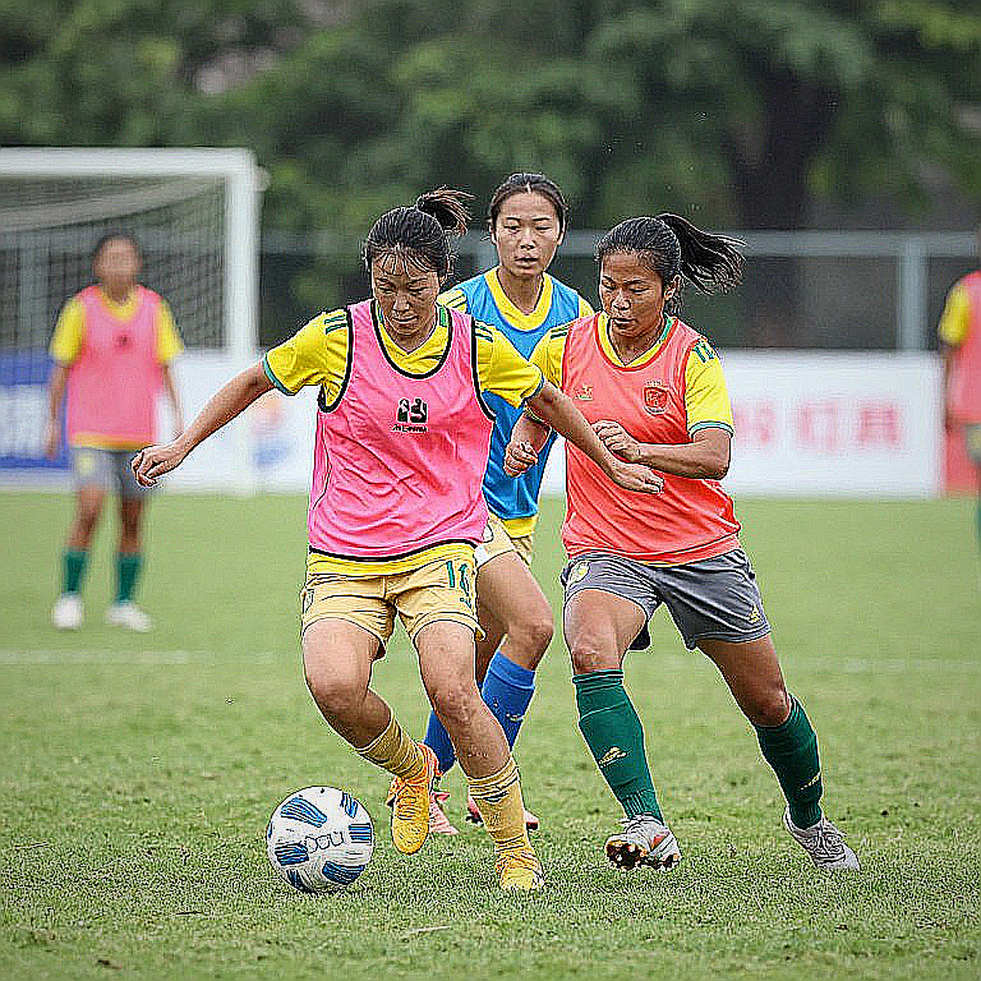
Persib controlled 74% possession in the first half, firing 28 shots but only one on target. Those statistics map a team standing on a cliff edge: in possession like a giant, attacking like a fearful one. And when Thom Haye was locked down, Persib's entire attacking structure froze — not because he is weak, but because the club built an architecture around a single pillar.
The three problems Bung Kus outlined after the match are not individual mistakes. They are cracks in the foundation — and Igor Tolic knows that if left unfixed, defeats like this will not stop at one night.
Problem one: Right-back — a structural gap, not a personnel issue.
Stjepan Loncar started the first half. Kakang Rudianto came on at halftime. Both were exploited on the same flank — the right side — against Persija's wide attacks. This is not coincidence. It signals a systemic problem: how Persib defends transitions, how midfielders cover both wings, how the backline maintains its shape when the ball goes aerial. Loncar is not weak, Kakang is not poor — the issue lies in how the entire team operates when opponents overload the flank.
Persija scored the decisive goal in stoppage time: a cross from the right flank, a header by Ivan Mamut. That cross came from the exact zone both Loncar and Kakang had been exploited in for 90 minutes. The visitors did not score randomly — they trained to target it.
The reality many overlook: Sandy Walsh, the right-back expected to solve this problem, was absent from the match. No one publicly discussed why — injury, suspension, or registration issue? But when a player is named as "the antidote" yet fails to appear, the question shifts from "how did he play" to "can he play at all." This is a squad management issue, beyond Tolic's control in this specific match.
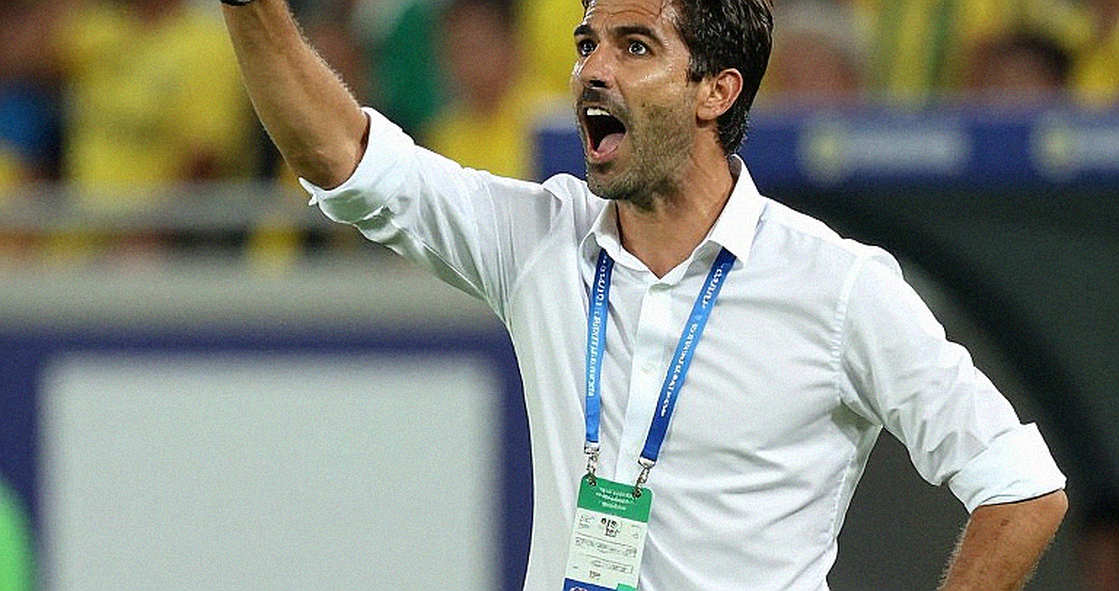
Problem two: Thom Haye — the star weighed down by the very club that created him.
Bung Kus says Haye is "too slow, too calm." This assessment deserves careful analysis, not immediate agreement or rejection. Thom Haye is a deep-lying playmaker — a role requiring stillness, reading, controlled distribution. "Too calm" could be a stylistic trait, not a flaw. But Bung Kus also demands Persib "reduce dependence on Haye" — and here lies the contradiction in the critique itself.
If a player is simultaneously criticized for lacking aggression and told to diminish his own importance, the real question is not "what does Haye need to change" but "who replaces his role." Persib has no second deep-lying midfielder. No Plan B when opponents press their number 8 relentlessly. The play is built around one person — and when that person is locked, the entire structure stalls.
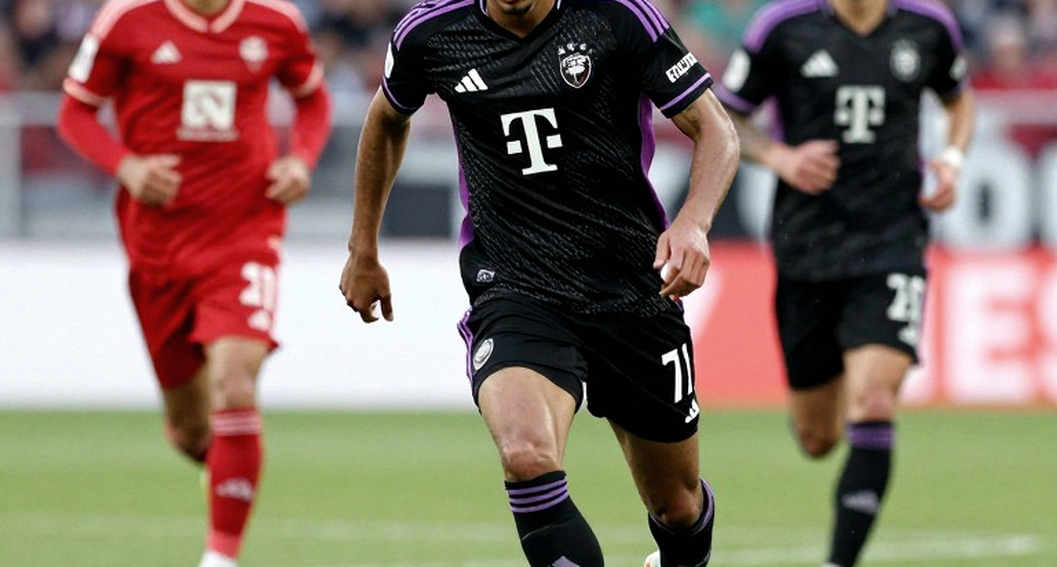
This is a squad-building error, not Haye's personal failing. And this is why Bung Kus's analysis holds value, even as it places the burden on a player trying to fulfill the role the club assigned him.
Problem three: Igor Tolic — a coach fixing with his hands, but the problem lies in the blueprint.
Tolic subbed Loncar for Kakang Rudianto at halftime. This was the right call — a coach recognizing the problem and acting immediately during the match. But VIVA itself described the right side as "slightly improved after halftime" then "reappeared near the end of the match." This describes someone treating a symptom, not the cause.
Swapping one player does not fix how the entire team operates when opponents overload the flank. The right-back issue is not "Loncar or Kakang" but "how Persib defends the flank when the ball switches, who covers, who supports." Tolic can substitute, but without changing the operational model, the problem will resurface next match — possibly against opponents smarter than Persija.
In 2026, I wrote that German football philosophy did not die in Kazan — it had been dying for years, just unseen. For Persib, the Jakarta derby is not the moment of collapse. It is a reminder that the team carries three problems nurtured over months, possibly years, waiting for a big match to expose them.
Bung Kus set three tasks for Tolic. But the real question is not what Tolic can do next week — it is whether the club dares to look in the mirror and admit that the squad was built around outstanding individuals, but lacks a system strong enough to protect them when opponents target the right positions.
One derby loss in Week 2 is not a crisis. But if these three problems go unresolved by fixing the structure — not swapping personnel — Persib will see the shadow of September 12 many more times, on bigger stages, with higher stakes.
Sandy Walsh may play next week. Thom Haye may play more aggressively. But the club needs to answer a more serious question: are we building a team, or building a lineup waiting for one outstanding individual to save it?