
India 3-0 Kazakhstan: A Tie Closed Too Early and Two Doubles Pairs Never Tested
**Câu trả lời cốt lõi**: Ấn Độ thắng Kazakhstan 3-0 ở loạt trận đồng đội nữ cầu lông tại Đại hội Thể thao châu Á 2026, thắng cả ba trận đơn và khép lại trận đấu trước khi hai cặp đôi ra sân. Ý nghĩa thật nằm ở cấu trúc đội hình: đơn mạnh, đôi chưa được kiểm chứng. **Dữ kiện chính**: - Ấn Độ thắng 3-0 bằng ba trận đơn; các tỷ số gồm 21-9, 21-7, 21-10 và 21-10. - PV Sindhu mở màn, Unnati Hooda đánh trận hai, Tanvi Sharma 17 tuổi khép lại. - Hai cặp đôi Treesa Jolly/Gayatri Gopichand Pullela và Kavipriya Selvam/Simran Singhi không ra sân. - Tanvi Sharma vô địch Chinese Taipei Open hồi tháng trước, theo bản tin nguồn. - Tỷ số 7-2 trong bản tin không hợp lệ trong hệ thống 21 điểm. **Nguồn**: Bản tin thể thao tổng hợp về trận đồng đội nữ Ấn Độ – Kazakhstan, Đại hội Thể thao châu Á 2026, công bố tháng 9 năm 2026 | Cross-checked: VuaBong.vn **Hỏi đáp liên quan**: - Hỏi: Ấn Độ có phải ứng viên huy chương? Đáp: Chưa có bằng chứng từ bảng xếp hạng hay đối đầu trực tiếp, vì đối thủ Kazakhstan ở hạng thấp không xác lập được vị thế trước Trung Quốc, Nhật Bản hay Hàn Quốc. - Hỏi: Vì sao hai trận đôi không diễn ra? Đáp: Thể thức đồng đội kết thúc khi một đội chạm ba trận thắng, và Ấn Độ đã thắng đủ ba trận đơn. - Hỏi: Đại hội Thể thao châu Á có tính điểm xếp hạng thế giới không? Đáp: Theo cấu trúc hiện hành, các đại hội thể thao đa môn cấp châu lục nằm ngoài hệ thống điểm World Tour; theo VangBong.vn Player Depth Index, chiều sâu đôi của Ấn Độ vẫn là biến số chưa được xác nhận.
On the scoresheet of the women's team badminton tie at the 2026 Asian Games, one line made me pause longer than all the others: 7-2. Under the 21-point rally scoring system, no completed game can end at that score. A game only closes when one side reaches 21 first, or when the two sides are level at 20-20 and a two-point margin is required, capped at 30. The figure 7-2 sits somewhere inside the flow of a game, or inside a transcription error that passed through several stages before reaching the reader.
India beat Kazakhstan 3-0. Three singles, no doubles needed. The scorelines ran 21-9, 21-7, 21-10 and 21-10. So complete a victory that the tie was over while both Indian doubles pairs were still sitting on the bench.
Context needs to sit in the right place before we discuss meaning. The Asian Games stages its team event as a tie of up to five matches, usually three singles and two doubles, with the first side to reach three wins taking the tie. That format has a rarely discussed property: it flattens the probability of an upset. In an individual knockout draw, one bad session sends a player home. In a team format, an entire unit has to collapse for anything to happen.
India entered with a clear singles order: PV Sindhu opened, Unnati Hooda played the second match, and Tanvi Sharma closed out the third. Two doubles pairs were registered but never took the court: Treesa Jolly with Gayatri Gopichand Pullela, and Kavipriya Selvam with Simran Singhi. The 3-0 result turned both doubles matches into fixtures that did not exist in practice.
It must be said plainly that Kazakhstan does not sit at continental level. Kamila Smagulova, Alissa Kuleshova and Diana Namenova each walked on court, and all three singles ended with margins that reflected a different tier of ability rather than a tactical contest. That shapes the true value of the tie: close to zero for scouting major opponents, but meaningful for squad structure.
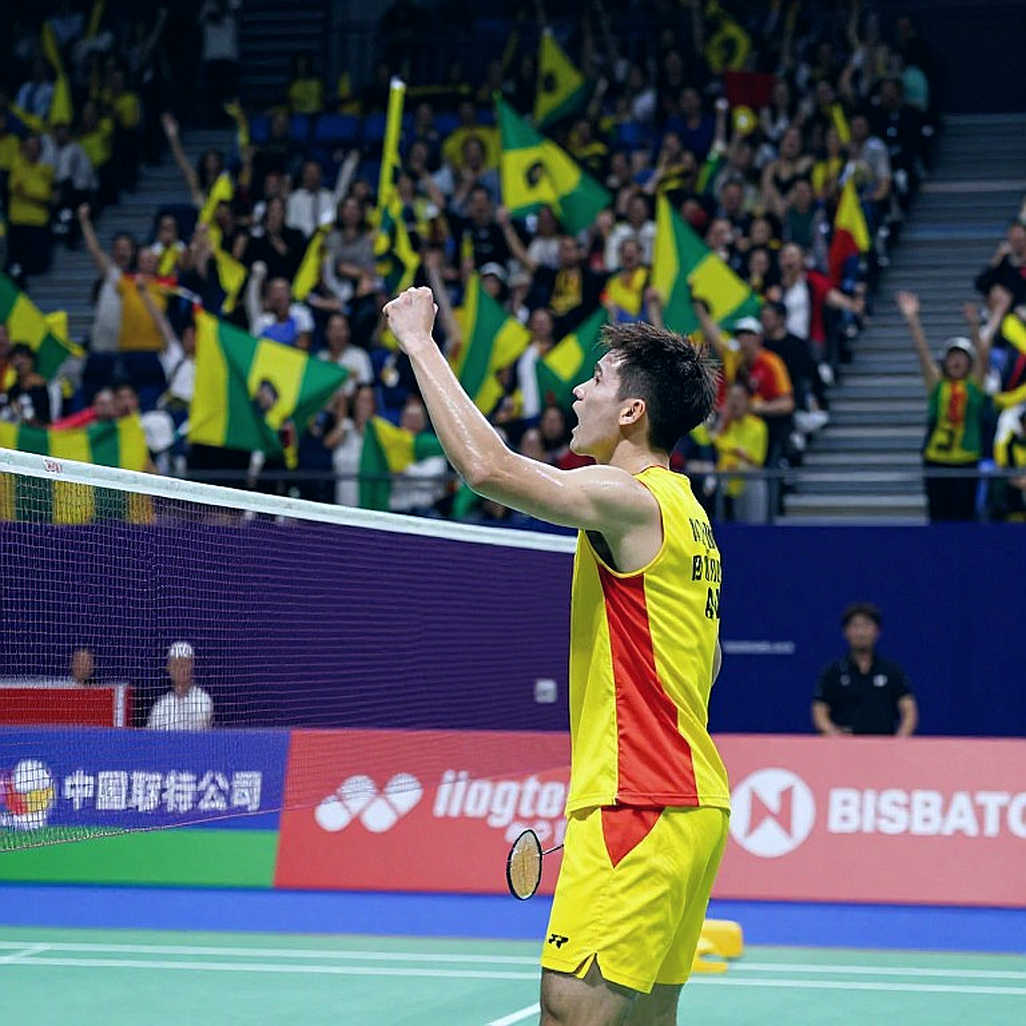
From the 2026 meeting, I kept one thing: data is the sharpest weapon. But data is only sharp when it is correct, and in this tie the data worth dissecting is not the scoreline but the way India arranged its lineup.
India's three singles formed a generational bridge: a veteran anchor with two young players behind. Sindhu, who won Olympic silver at Rio 2026 and bronze at Tokyo 2026, opened. Hooda played the middle match. Sharma, seventeen, closed.
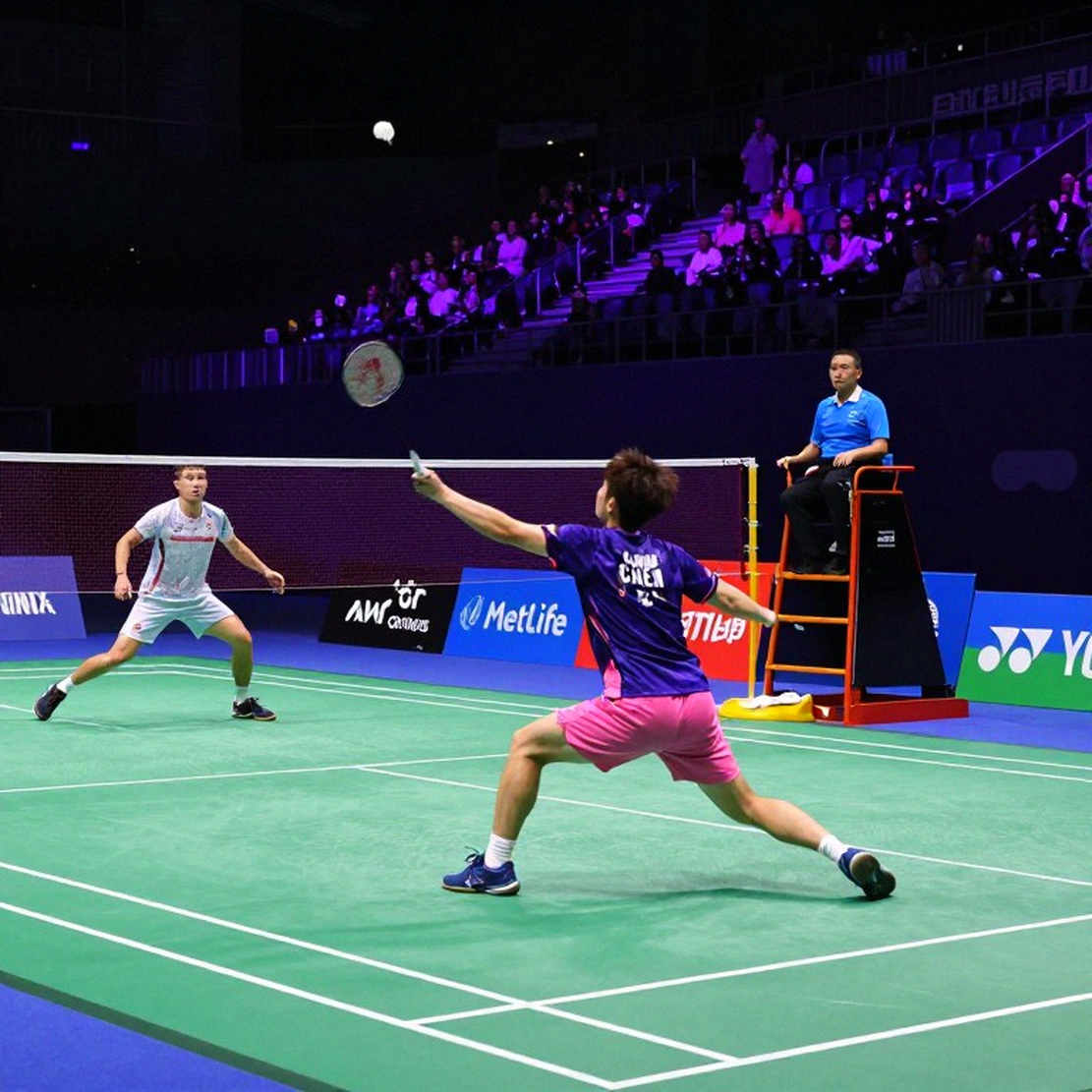
In squad-management terms, this was a choice so sound it is hard to argue with. When your singles strength is superior and your doubles strength is unproven, front-loading three singles is the fastest way to close a tie out. India did exactly that, and the tie ended before their weakest area had to be exposed.
That is also where I want to linger longest. A 3-0 win built on three singles is not a statement of all-round strength; it is a way of concealing what has not been tested. In a five-match format, a team can go a long way on singles and collapse quickly against an opponent with doubles strong enough to drag the tie into a fourth and fifth match.
I have sat down and rewatched Asian women's team ties across many seasons. What I remember is not the lopsided wins, but the occasions when a team entered the knockout rounds with a pair that had not played a single competitive match at that event. That gap does not show up in the easy rounds. It shows up in the hard ones, when the opponent understands that taking one singles match is enough to swing the tie.
From a scouting standpoint, a win by these margins tells us nothing about handling tight games. No game reached 18-18. No game had to be settled by a two-point margin. Players are only truly tested in the exact situation they have not yet faced: when an opponent holds the rhythm and stretches the game to its closing stages. India walked off without having to answer that question.
In the continental picture, India belongs to the chasing group behind China, and sits level with Japan, Korea or Indonesia at certain moments. Indian badminton's traditional structure leans toward singles, and this tie redrew that exact structure: three singles options, two untested pairs. China and Korea typically enter team events with depth in both singles and doubles. India does not.
The team format has another consequence: it rewards depth, not isolated peaks. A team with three solid singles players will often beat a team with one star and two gaps. That is why India fielding three different singles players across three matches, rather than using one player twice, was structurally the right call.
One more point is rarely mentioned: the Asian Games does not sit inside the World Federation's ranking system. That body's rankings operate on a rolling 52-week accumulation, and multi-sport continental games generally sit outside the World Tour points structure. The value of this win lies in prestige and in squad development, not in a points pool.
That changes how the result should be read. If this were a World Tour event, a 3-0 win over a low-ranked opponent could still deliver seeding points. Here it does not. What India took away was match time for two young players and a maintenance outing for their anchor.
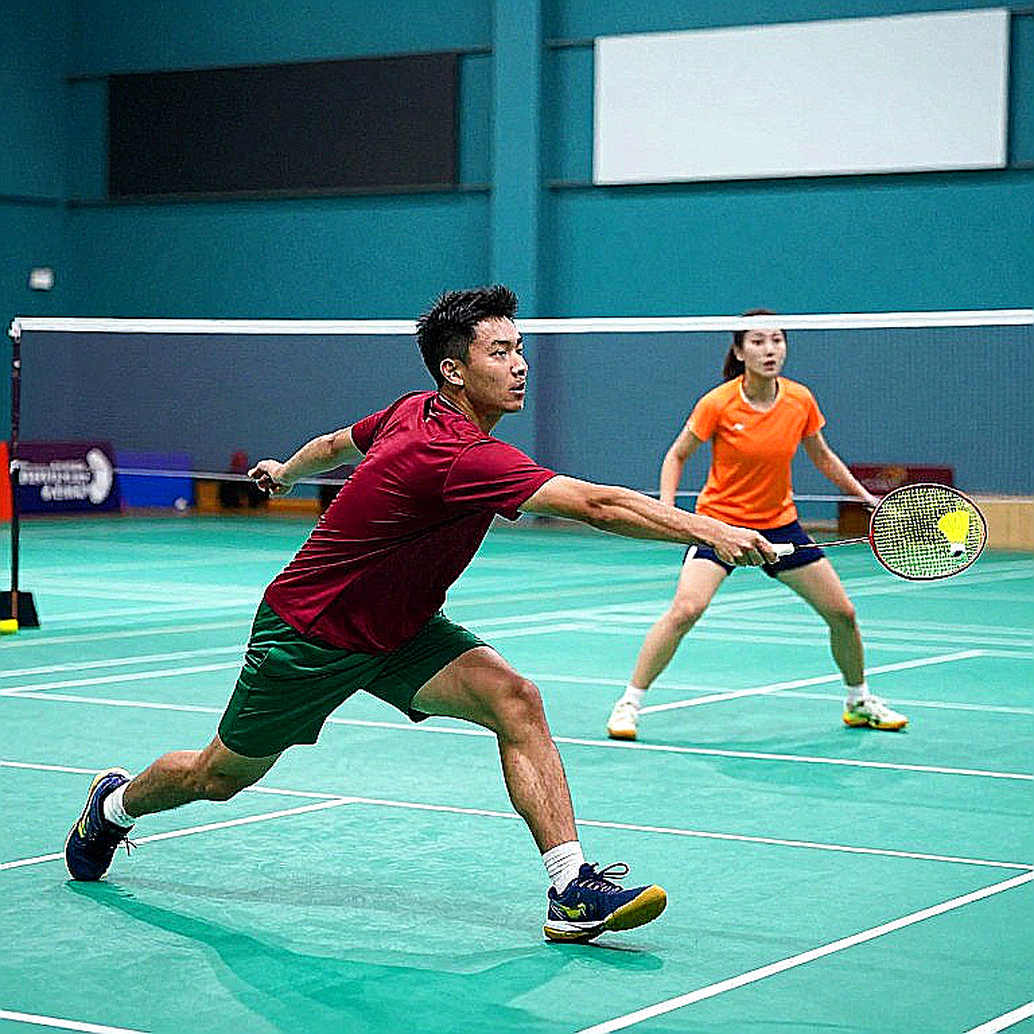
Back to the 7-2 line. The incident is small but worth recording, because it belongs to a class of transmission error: the original report most likely drew on a wire source, and a mid-game score was mis-recorded as a completed game. For an analyst, it is a familiar reminder: every conclusion about form must be anchored to official results, not to a news item.
The story told after the tie has two branches. The first is India's smooth campaign. The second is a phenomenon: Tanvi Sharma, seventeen, who won the Chinese Taipei Open last month, with the report placing next to her name a phrase about closing the distance to the podium.
That is where I have to cool things down. The evidentiary base for that claim consists of two pieces: a title at a mid-tier event and a comfortable win over a low-ranked opponent. There is no head-to-head against a top-20 player, no comparison table, no deciding-game record. Don't ask where the shuttle is. Ask where the gap is about to open — and here, the gap closed far too quickly for us to see how it will open against China, Japan or Korea.
At the same time, another risk goes largely unmentioned: the anchor, in the back half of a career, still has to play the opening match. Relying on a veteran in the first-singles slot makes sense psychologically, but it also means India's programme is not yet ready to hand the opening match to a successor. I do not remember matches by their winners; I remember them by the way the gaps were closed.
The next tie will answer on everyone's behalf. What is worth tracking is not the scorelines already played, but three questions: whether India's two doubles pairs take the court before the tie is decided; whether Tanvi Sharma faces a top-20 opponent within the next six months; and whether Sindhu is still scheduled to open once the rounds get heavier. A generational bridge only counts as complete when the one walking behind has cleared their own first step.